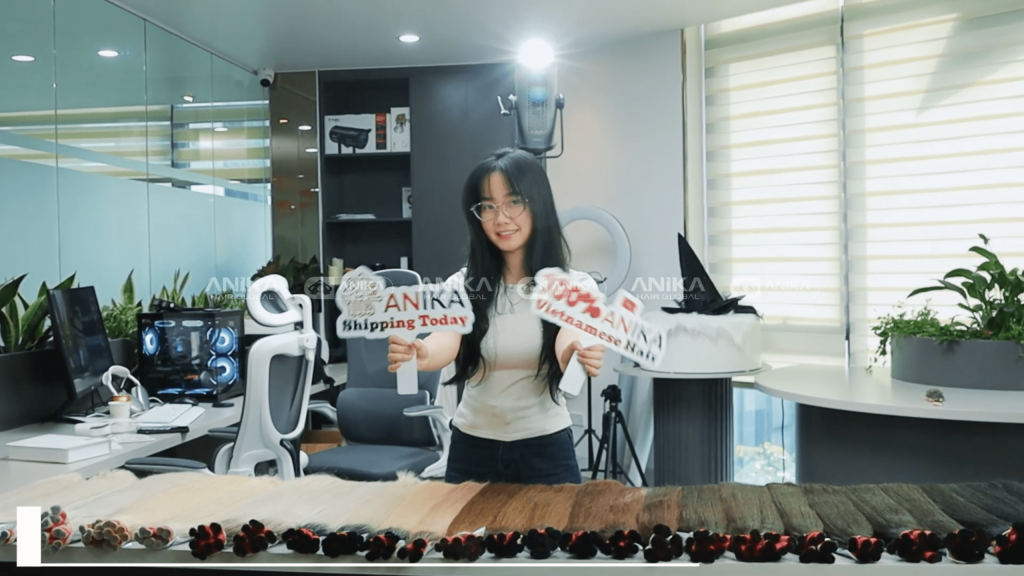
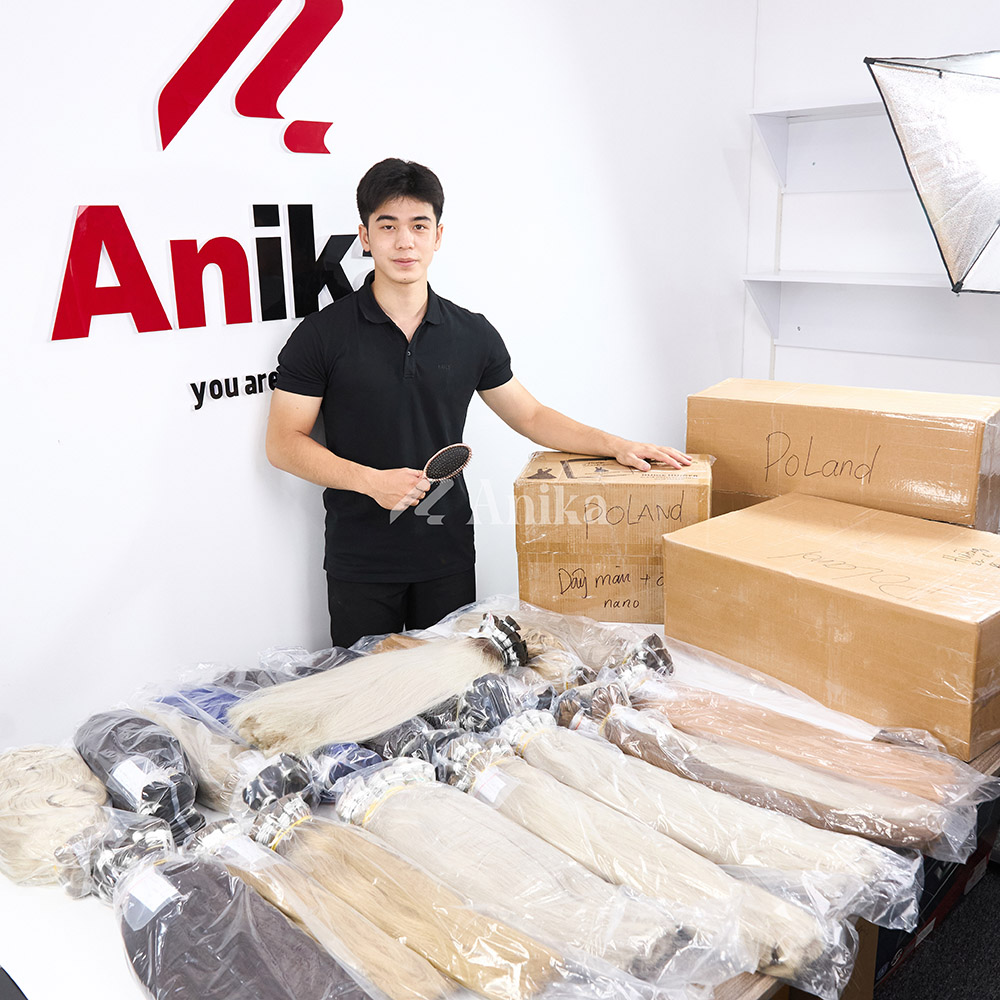
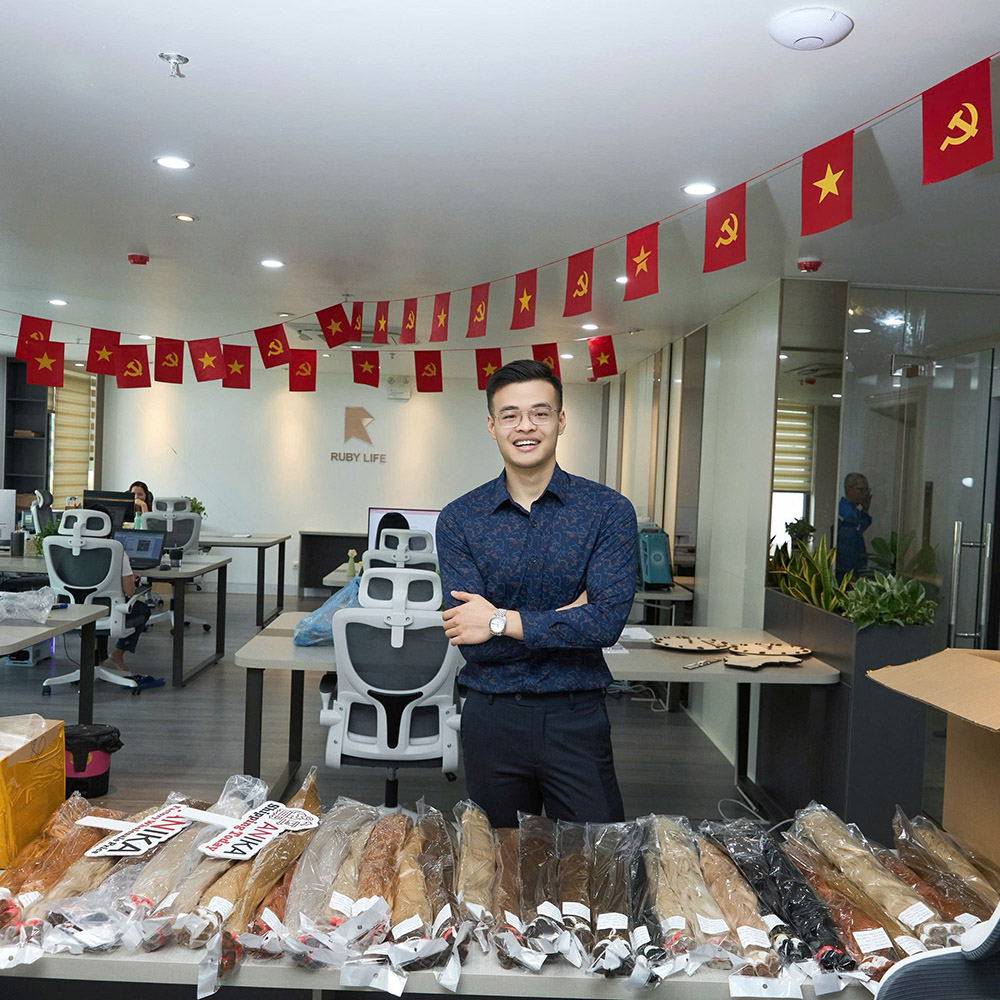
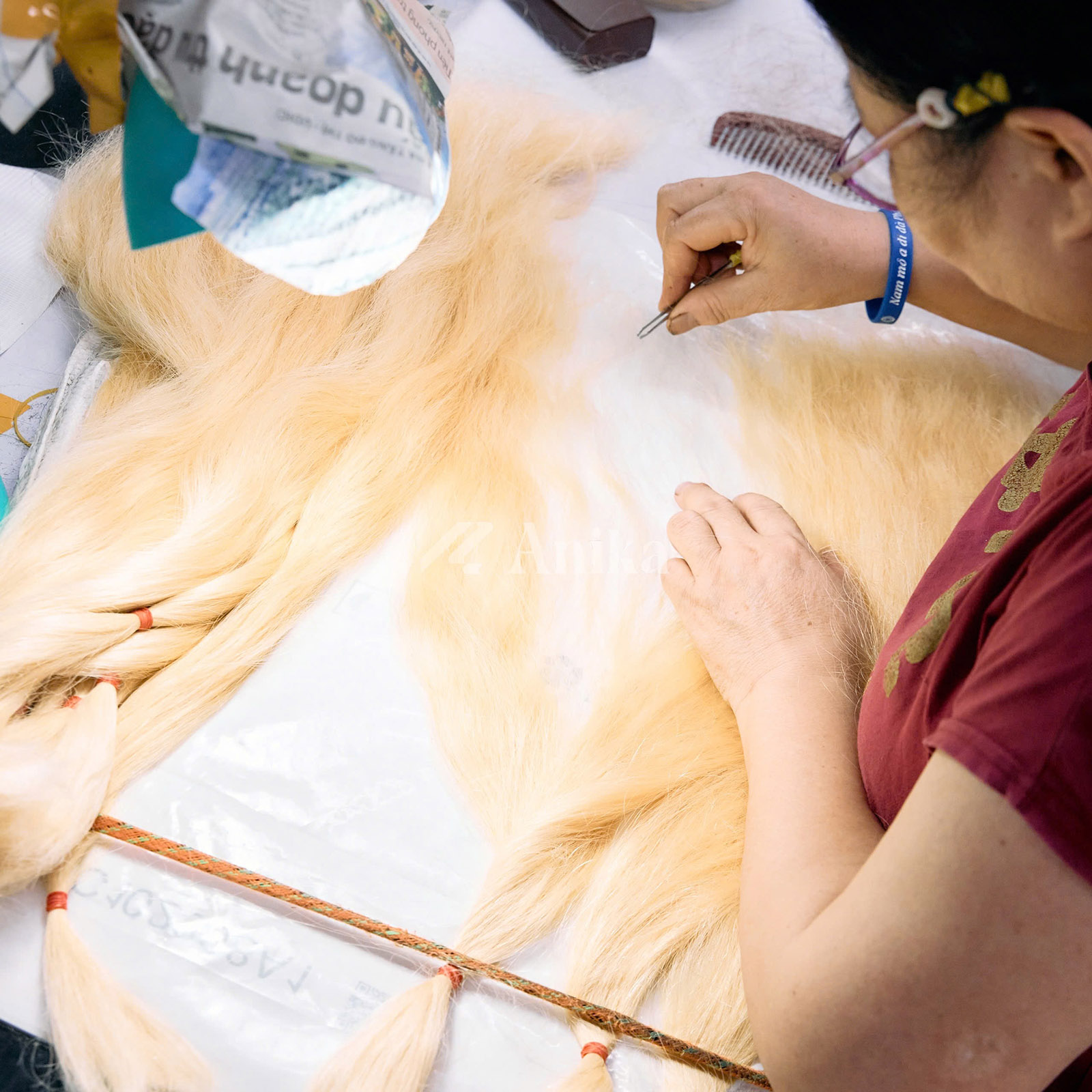
From the very beginning, we have remained true to one principle: producing hair extensions only from 100% premium human hair, sourced directly within Vietnam. Every strand is carefully selected, with no mixing and no synthetic substitutes, ensuring that each product delivered to our clients retains its natural look, strength, and long-lasting beauty.
We understand that consistent quality is the key to building trust. That is why, in every single order – whether small or large – our clients always receive products that meet the same high standards, with no variation from batch to batch. This is our strongest commitment to stability and reliability in the global market.
Unlike many suppliers who pursue short-term gains, we focus on long-term partnerships. Every bundle of hair we produce is not just a product, but a promise of quality and trust that we dedicate to our clients.
👉 We believe: Honesty in sourcing – Precision in production – and Sustainability in quality are the foundations that allow our customers to confidently grow with us for years to come.
CONTACT FORM
CONNECTING WITH US
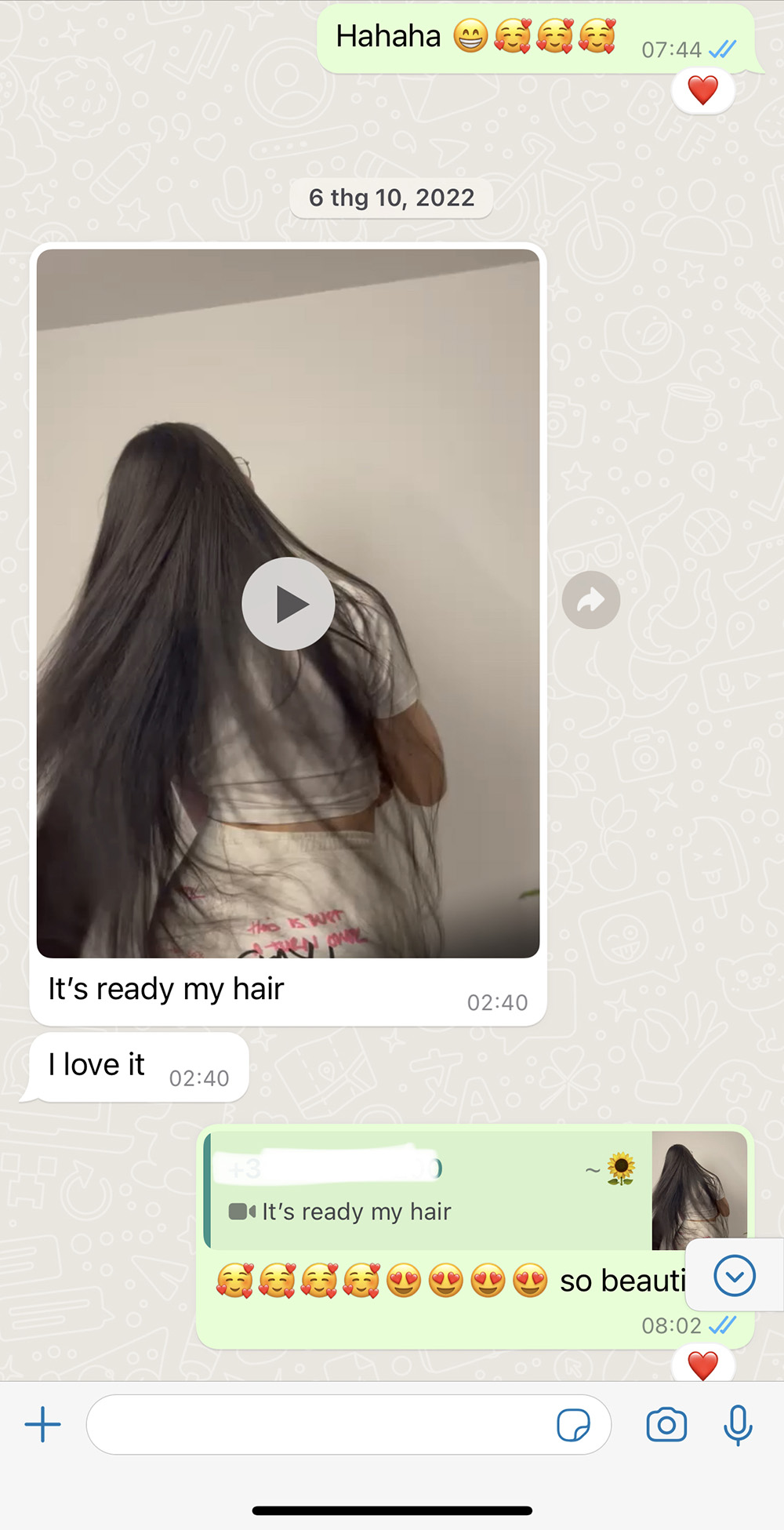
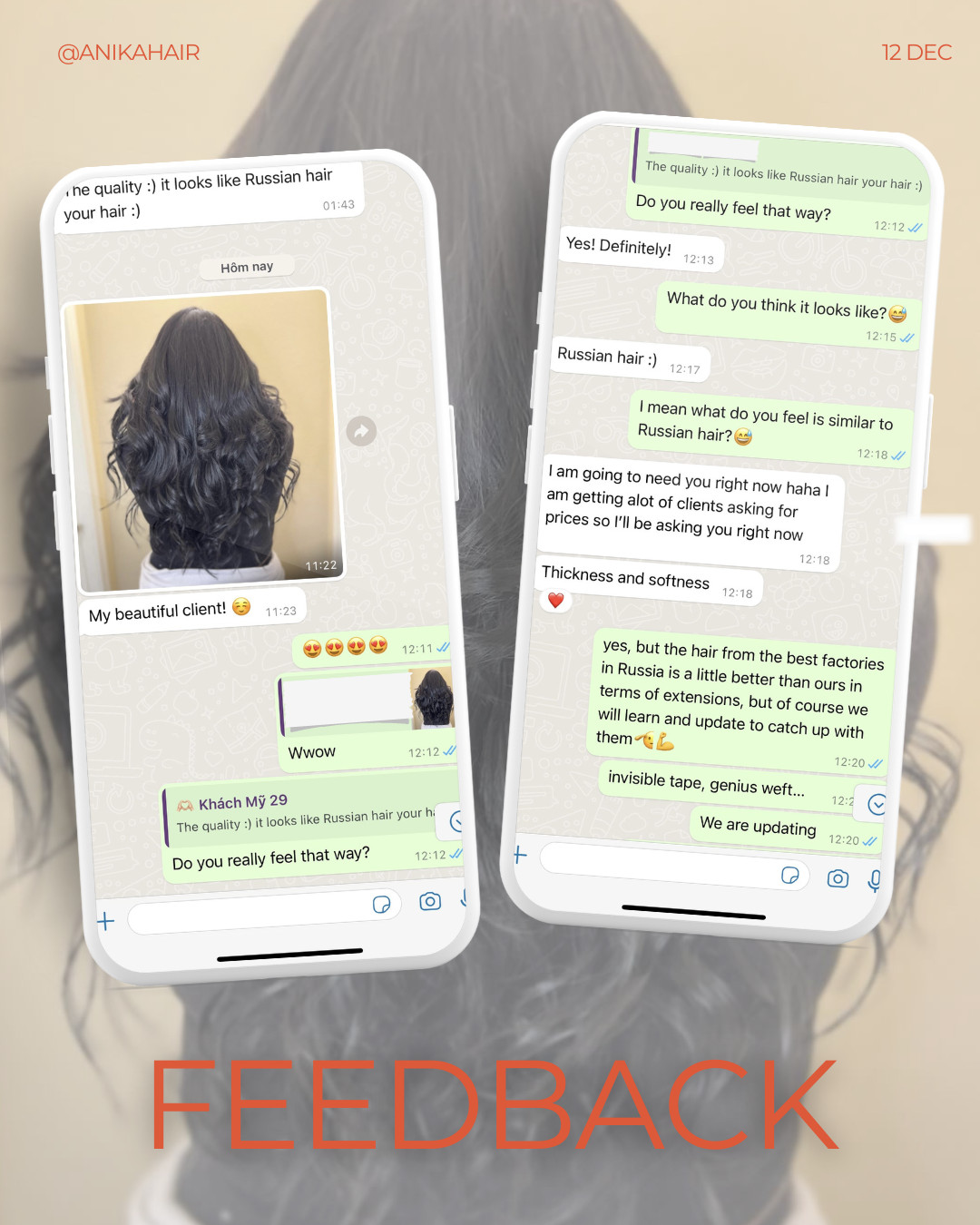
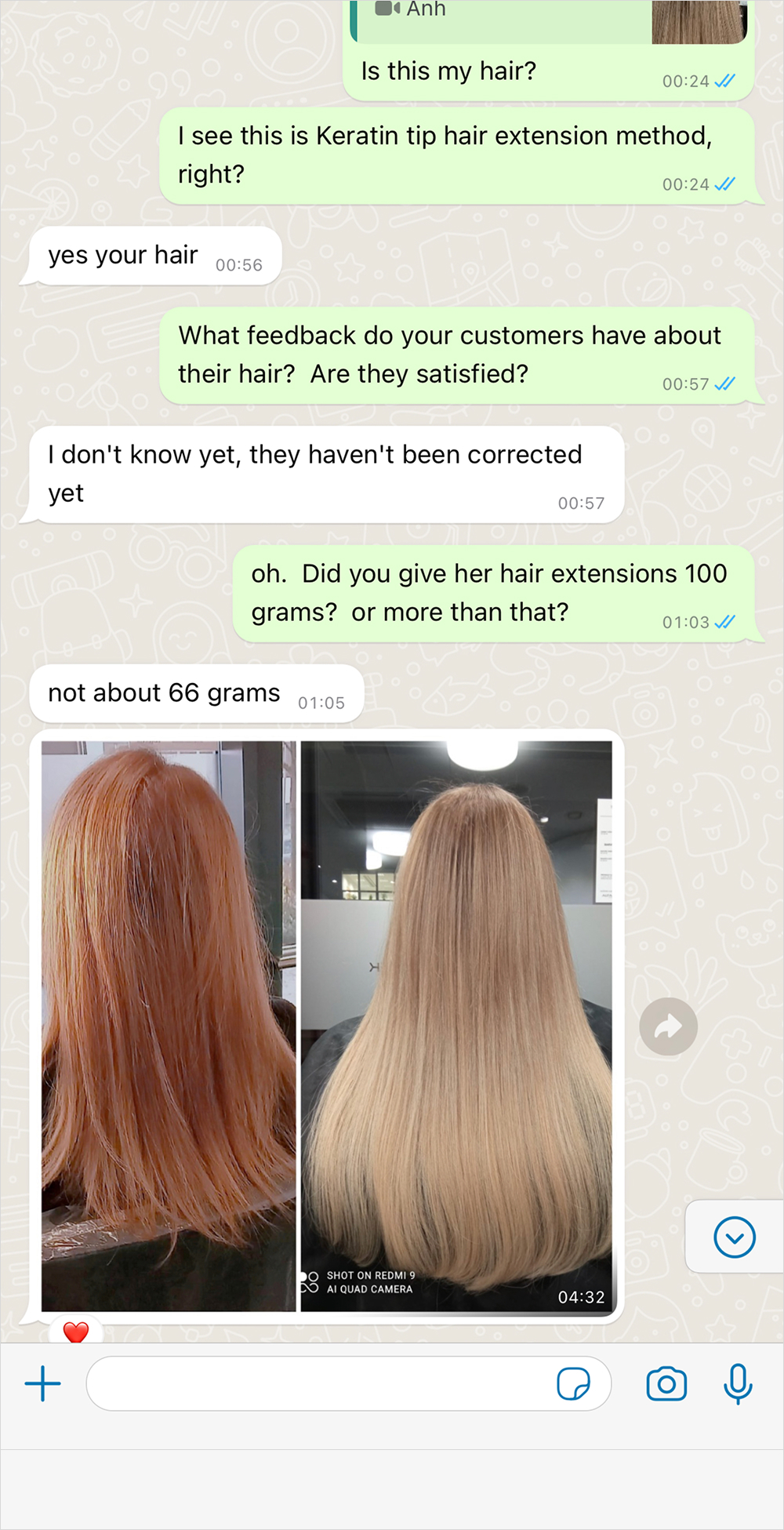
FEEDBACK
Frequently Asked Questions
There are several types, including:
Clip-in hair extensions
Tape-in hair extensions
Sew-in hair extensions
Fusion hair extensions
Micro-bead hair extensions
Nano hair extensions
K-Tip hair extensions
U-Tip hair extensions
Each type has its own application method, pros and cons, and is suitable for different lengths, textures, and hair types.
For fine hair, clip-in or tape-in extensions are often the best options. Clip-ins are easy to attach and remove and cause no damage. Tape-ins are semi-permanent, lightweight, and comfortable, though they need reapplication every few weeks. Both options tend to blend more naturally with fine hair.

The lifespan depends on quality and care. On average, extensions last 6 to 9 months with proper maintenance.
They use a “ponytail test” — measure the circumference of your ponytail to help determine how much hair is needed.
Yes — human hair extensions can be coloured, but it is recommended to have it done professionally to ensure even color and reduce the risk of damage. Use color-safe shampoo and conditioner to maintain the look.
Tips include:
Brush regularly to avoid tangles
Use mild shampoo & conditioner
Avoid daily heat styling (blow dryers, flat irons, curling)
Store properly when not in use
Avoid excessive sun, saltwater, chlorine
Get occasional trims or treatments (every 6–12 months)
Limit use of sprays, gels, mousses (they can build up on the hair)
If swimming, braid hair or use a swim cap
Don’t sleep with wet extensions (can cause tangling)
Consider:
Hair type: e.g. fine hair may suit lighter options like clip-in or tape
Lifestyle: for low maintenance, clip-ins; for longer wear, sew-ins or fusion
Budget: different types cost differently
Maintenance: some require more upkeep
Consult a stylist or extension specialist for personalized advice.
It depends on the extension type, hair growth, and maintenance. On average, reapplication is every 4 to 12 weeks. Clip-ins can be removed & re-attached; tape-ins need professional reapplication.
Yes — potential risks include:
Scalp damage from overuse or poor application
Hair breakage from heavy extensions
Traction alopecia (hair loss) from constant tension
Fungal infections from unclean extensions
To reduce risk:
Choose high quality hair extensions
Have them professionally applied
Use gentle hair care products
Keep scalp and extensions clean
Avoid sleeping in tight styles
Periodically remove or retighten extensions
Ensure removal or reinstallation is done carefully
Friction (e.g. against pillowcases)
Poor maintenance / lack of brushing
Moisture (hair swells and tangles)
Excessive heat styling (damages fibers & lifts cuticles)
Use sharp hairdressing scissors or shears
Comb through gently before cutting
Cut in small sections (not whole weft at once)
Hold the weft steady while cutting
After cutting, gently tug to check for loose hairs
If loose hairs are found, apply weft sealant or clear nail polish to the cut ends
Seal the ends of the wefts properly